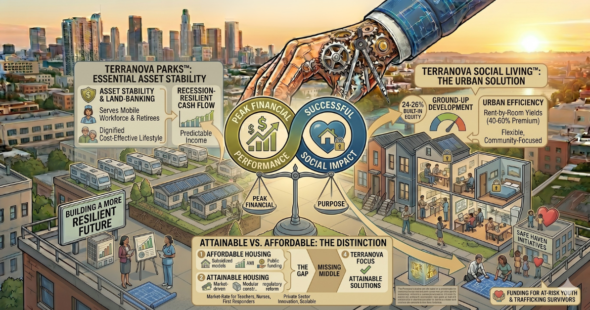


In a world increasingly focused on sustainability, the concept often extends beyond environmental concerns. True sustainability encompasses social and economic well-being, recognizing that a thriving society depends on the equitable distribution of resources and opportunities. Affordable housing stands as a cornerstone of this holistic approach, offering a powerful opportunity with profound social and economic returns.
The Human Cost of the Affordable Housing Crisis
The lack of affordable housing is not merely a housing issue; it is a multifaceted crisis with far-reaching consequences. When individuals and families struggle to afford safe and decent housing, they face a cascade of challenges:
- Economic Instability: Excessive housing costs consume a disproportionate share of income, leaving little for essentials like food, healthcare, and education. This cycle of poverty perpetuates itself, hindering economic mobility and exacerbating inequality.
- Health Impacts: Housing insecurity and inadequate living conditions have significant health repercussions. Residents of overcrowded or substandard housing are more susceptible to respiratory illnesses, mental health issues, and chronic diseases. Children in particular suffer, with compromised cognitive development and increased risk of behavioral problems.
- Community Erosion: The lack of affordable housing can lead to displacement and segregation, weakening the social fabric of communities. As low-income residents are forced to move further from jobs, schools, and essential services, community cohesion erodes, and social isolation increases.
Securing Future Returns through Sustainability
Partnering in affordable housing is not merely a charitable act; it is a sound financial decision with compelling long-term returns:
- Strong Financial Performance: Historically, affordable housing opportunities have demonstrated resilience in economic downturns. Government subsidies and stable rental income streams provide a buffer against market volatility, making them an attractive asset class for partners seeking stable returns.
- Positive Social Impact: By providing access to safe and affordable housing, partners contribute to a more equitable and just society. They empower individuals and families to break the cycle of poverty, improve their health and well-being, and achieve their full potential.
- Community Revitalization: Committing to affordable housing solutions can revitalize neighborhoods and spur economic growth. By attracting and retaining residents, affordable housing developments can increase demand for local businesses, improve public services, and enhance the overall quality of life.
- Environmental Sustainability: Many affordable housing developments incorporate energy-efficient features, reducing their environmental impact and lowering operating costs. This aligns with growing partner interest in environmentally responsible funds.
Innovative Approaches to Affordable Housing
A variety of innovative approaches are emerging to address the affordable housing crisis:
- Public-Private Partnerships: Collaboration between government agencies, non-profit organizations, and private investors can leverage resources and expertise to develop and finance affordable housing projects.
- Impact Partnerships: Impact partners prioritize social and environmental impact alongside financial returns. They are increasingly seeking opportunities to partner in affordable housing projects that align with their values.
- Technology and Innovation: Technological advancements, such as modular construction and the use of sustainable building materials, can streamline the development process and reduce the cost of affordable housing.
Conclusion
Partnering in affordable housing is not just about bricks and mortar; it is about partnering in human potential. By providing access to safe, stable, and affordable housing, we empower individuals and families, strengthen communities, and build a more sustainable and equitable future. As investors increasingly recognize the social and economic value of affordable housing, this vital sector is poised for significant growth and impact.