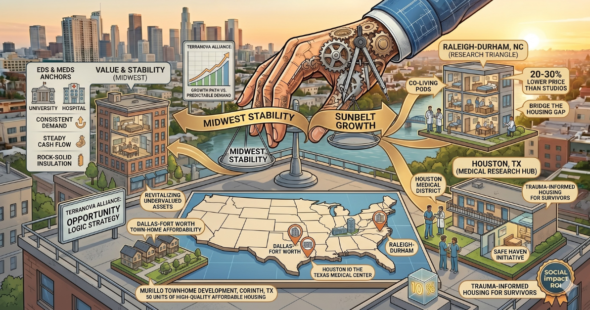


The demand for workforce housing and “man camps” is experiencing a significant upswing across various sectors. This trend is driven by a confluence of factors, including increasing labor needs in specific industries, the rising cost of traditional housing, and the temporary nature of many large-scale projects. This report outlines the key market trends, the driving forces behind this demand, and the industries most affected.
Key Market Trends:
- Increased Demand for Attainable Housing: A significant trend is the growing demand for housing that is affordable for the workforce, particularly those in the “missing middle” income bracket (households earning between 60% and 120% of the area median income). These individuals often include essential workers like teachers, nurses, and skilled tradespeople who are increasingly priced out of homeownership and market-rate rentals.
- Outperformance of Workforce Housing in Rental Markets: Data indicates that workforce housing, defined as the lowest quartile of prices in a given region, has outperformed other price points in terms of appreciation in recent years. This highlights the strong underlying demand and resilience of this segment.
- Rising Housing Inventory with Uneven Affordability: While housing inventory is increasing in some parts of the United States, particularly in the South, the improvement in affordability is not uniform. Lower-income buyers still face a shrinking number of affordable options, reinforcing the need for targeted workforce housing solutions.
- Focus on Sustainable and Amenity-Rich Developments: Modern workforce housing developments are increasingly incorporating sustainable building practices and offering a range of amenities to attract and retain residents. This includes community spaces, recreational facilities, and essential services.
- Government and Private Sector Initiatives: There is growing recognition from both government bodies and the private sector regarding the importance of workforce housing. This is leading to increased discussions, funding initiatives, and the development of specific financial products aimed at supporting workforce housing projects.
Driving Forces Behind the Demand:
- Labor Shortages in Key Industries: Several industries, including oil and gas, construction, mining, and renewable energy, often require a mobile workforce for projects in remote locations. This necessitates temporary or semi-permanent housing solutions like “man camps.”
- Rising Cost of Living and Homeownership: The increasing cost of traditional housing, coupled with stagnant wage growth in many sectors, makes homeownership unattainable for a significant portion of the workforce. This pushes more individuals towards the rental market and increases the demand for affordable rental options.
- Economic Growth and Infrastructure Projects: Areas experiencing economic growth or undertaking large-scale infrastructure projects often witness a surge in demand for workforce housing to accommodate the influx of workers needed for these developments.
- Disaster Relief and Recovery Efforts: Natural disasters necessitate temporary housing for relief workers, medical personnel, and construction crews involved in rebuilding efforts, driving the need for быстро развертываемые (rapidly deployable) workforce housing solutions.
- Project-Based Employment: Many industries rely on project-based work, requiring housing solutions that can be quickly set up and dismantled as projects begin and end. “Man camps” are particularly suited for this type of temporary need.
Industries with Significant Need for Workforce Housing:
- Oil and Gas: Often operating in remote areas, this sector relies heavily on “man camps” to house workers during drilling and extraction projects.
- Construction: Large-scale construction projects, especially in developing or remote areas, require temporary on-site housing for workers.
- Mining: Similar to the oil and gas industry, mining operations in isolated locations necessitate comfortable living environments for their workforce.
- Renewable Energy: The development of wind farms and solar installations, often located in rural areas, requires housing for construction and operational personnel.
- Disaster Relief: Providing temporary accommodation for emergency responders and recovery workers is crucial during disaster events.
- Manufacturing: Expanding manufacturing hubs and new facilities often require housing solutions for incoming workers.
- Technology and Healthcare: Even in urban areas, the need for affordable housing for essential workers in technology and healthcare sectors is growing, as these individuals can be priced out of the local housing market.
Conclusion:
The market trends clearly indicate a growing and sustained need for workforce housing developments and “man camps.” This demand is fueled by economic factors, labor needs in specific industries, and the increasing unaffordability of traditional housing. Addressing this need is crucial for supporting economic growth, ensuring a stable workforce, and fostering healthy communities. Developers, investors, and policymakers are increasingly recognizing the importance of this sector, leading to innovation and investment in creating sustainable and effective workforce housing solutions. As we move forward, the demand for such housing is expected to remain strong across various industries and regions.