

Texas is booming. From the gleaming skyscrapers of Dallas to the tech hubs of Austin and the energy fields of West Texas, the Lone Star State is a magnet for businesses and talent. Companies are relocating, industries are expanding, and with them, millions of new jobs are being created. This unprecedented growth is a testament to Texas’s dynamic economy and business-friendly environment.
But beneath the surface of this economic triumph lies a growing challenge: where will all these workers live?
At TerraNova Alliance, we’re deeply invested in the Texas housing market, and what we’re seeing is a critical disconnect. The “Jobs Boom” is fantastic news, but without an adequate supply of workforce housing, the very people driving this economic engine are being priced out of their communities.
Texas: A Juggernaut of Growth
Consider these facts:
- Population Explosion: Texas has led the nation in population growth for years, adding more residents than any other state. This isn’t just retirees; it’s working families and young professionals.
- Corporate Exodus to Texas: Major corporations, from tech giants to financial institutions, have moved their headquarters or significant operations to Texas metros like Dallas-Fort Worth, Austin, and Houston, bringing thousands of high-paying jobs.
- Diverse Industry Growth: While tech and energy often grab headlines, sectors like healthcare, manufacturing, and logistics are also experiencing massive expansion, creating a wide spectrum of job opportunities.
- West Texas Energy Resurgence: Even in regions like the Permian Basin, where energy drives the economy, sustained job growth demands stable housing solutions for a fluctuating but essential workforce.
This influx of jobs and people creates immense demand for housing. Unfortunately, the supply simply hasn’t kept pace, particularly for the vital “missing middle” – the teachers, nurses, police officers, and tradespeople who are essential to these growing economies.
The “Missing Middle” Crisis in Texas
As we discussed in our previous article, workforce housing is designed for households earning between 60% and 120% of the Area Median Income (AMI). These are not the highest earners, but they are far from “low-income.” They are the backbone of every thriving community.
In Texas’s red-hot markets, this demographic is facing an increasingly dire situation:
- Skyrocketing Rents: The demand from new, higher-earning residents drives up market-rate rents, making it impossible for many essential workers to afford housing near their jobs.
- Longer Commutes: Faced with unaffordable prices, workers are forced to live further and further away, enduring grueling commutes that diminish quality of life and increase transportation costs.
- Community Strain: When essential workers can’t live where they work, schools struggle to retain teachers, hospitals face staffing shortages, and emergency services are stretched thin. The entire fabric of the community weakens.
This isn’t just an individual hardship; it’s an economic impediment. Businesses relocating to Texas often tout the state’s quality of life and lower cost of living, but that promise rings hollow if their workforce can’t find an attainable place to call home.
Workforce Housing: The Essential Solution for Texas
To sustain its incredible growth, Texas needs to proactively address this housing gap. Workforce housing is not just a social good; it’s a critical infrastructure component for economic development.
- Stabilizing Communities: By providing quality, attainably-priced homes for essential workers, workforce housing stabilizes neighborhoods, supports local businesses, and ensures vital services remain robust.
- Attracting and Retaining Talent: Companies thrive when their employees can live comfortably near work. An ample supply of workforce housing makes Texas an even more attractive destination for businesses and their talent pools.
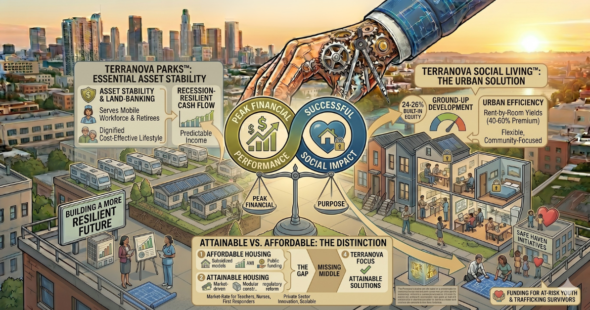
- Economic Resilience: As a stable asset class, workforce housing performs well even during economic fluctuations. Its consistent demand and high occupancy rates provide a reliable investment for capital seeking both financial returns and positive community impact.
TerraNova Alliance’s Commitment to Texas
At TerraNova Alliance, we recognize the immense potential and pressing needs within the Texas market. We are actively engaged in financing and preserving workforce housing across the state, ensuring that the “Jobs Boom” translates into a “Homes Boom” for everyone.
From partnering with developers to leverage innovative financing solutions to preserving existing properties that serve this crucial demographic, we are committed to being a part of the solution.
Texas’s future is bright, but that brightness depends on ensuring that all its workers—from the tech engineer to the elementary school teacher—can afford to live, thrive, and contribute to the vibrant communities that make the Lone Star State so exceptional. Workforce housing isn’t just a piece of the puzzle; it’s the glue that holds the entire picture together.