In the vast, resource-rich landscapes of Idaho and Wyoming, the economic engine often operates far from established towns and cities. Industries like mining, energy extraction, and large-scale construction projects require a specialized workforce to be on-site for extended periods. This has created a unique and growing demand for a type of housing solution often referred to as “man camps.”
What is a Man Camp?
The term “man camp” is a bit of a misnomer, as these accommodations serve a diverse range of workers. More accurately, they are remote workforce housing solutions—temporary or semi-permanent facilities designed to house a large number of employees in areas where traditional housing is scarce or non-existent.
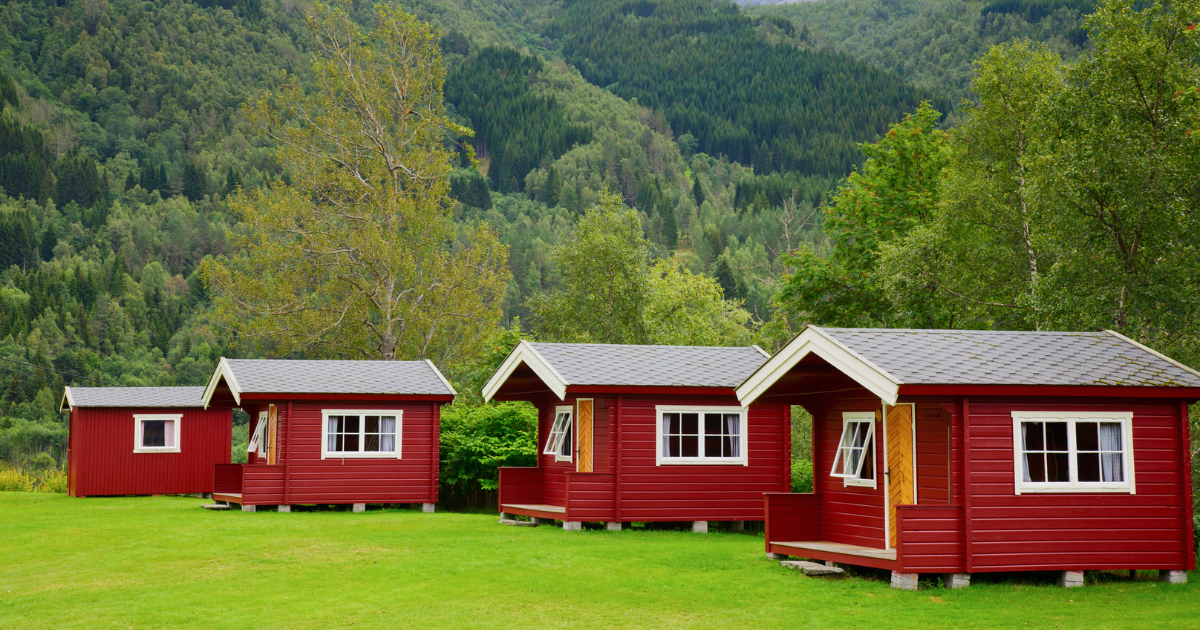
Unlike a typical residential development, man camps are purpose-built to provide a comprehensive, all-in-one living environment. They are typically composed of modular housing units that can be quickly deployed, configured, and, if necessary, relocated. These facilities are more than just a place to sleep; they are self-contained communities that include essential amenities such as:
- Dining and Food Services: Full-service kitchens and dining halls to feed hundreds of workers.
- Recreational Facilities: Gyms, common rooms, and entertainment areas to boost morale and provide a sense of community.
- Laundry and Medical Services: On-site facilities for daily needs and immediate health concerns.
- Utilities and Infrastructure: Independent power, water, and waste management systems, crucial for off-grid locations.
The Value Proposition: Why Man Camps are Essential for Remote Projects
The need for remote housing solutions in states like Idaho and Wyoming stems from the inherent challenges of their remote, resource-intensive economies.
1. Enabling Economic Development in Remote Areas: In Wyoming, for example, the energy sector—including oil, natural gas, and now renewable energy projects—often operates in sparsely populated areas. Likewise, Idaho’s mining industry frequently requires workers to be stationed near remote mineral deposits. Without a reliable way to house these employees, many of these projects would be economically unfeasible. Wyoming workforce housing solutions like man camps allow companies to attract and retain the necessary talent by providing a safe, comfortable, and convenient place to live, right where the work is.
2. Speed and Flexibility: Traditional housing development is a slow and expensive process. Building new residential communities in remote areas to support a temporary project is not a viable option. Modular housing, a key component of man camps, offers a rapid deployment solution. Companies can set up a full-service camp in a fraction of the time it would take to build conventional housing, allowing them to start and scale projects quickly. This flexibility is particularly valuable in industries with project-based timelines, where demand for labor can fluctuate significantly.
3. Safety and Security: By centralizing the workforce in a controlled environment, companies can enhance the safety and security of their employees. Man camps often have dedicated security staff, and the self-contained nature of the facilities helps to mitigate risks associated with commuting long distances on dangerous roads or living in isolated, unregulated conditions.
The Differentiator: More than just a place to stay
The unique value proposition of remote workforce accommodations goes beyond simple shelter. They are a critical logistical and operational tool for major projects. They provide a stable and productive environment for workers, minimize travel time, and reduce the environmental impact of daily commutes. For investors and developers, the demand for these specialized accommodations is a compelling opportunity. As industries continue to expand into remote regions of Idaho and Wyoming, the market for these flexible, comprehensive, and essential energy sector housing solutions will only continue to grow.